

Exploring the Thrills of High-Volatility Slots
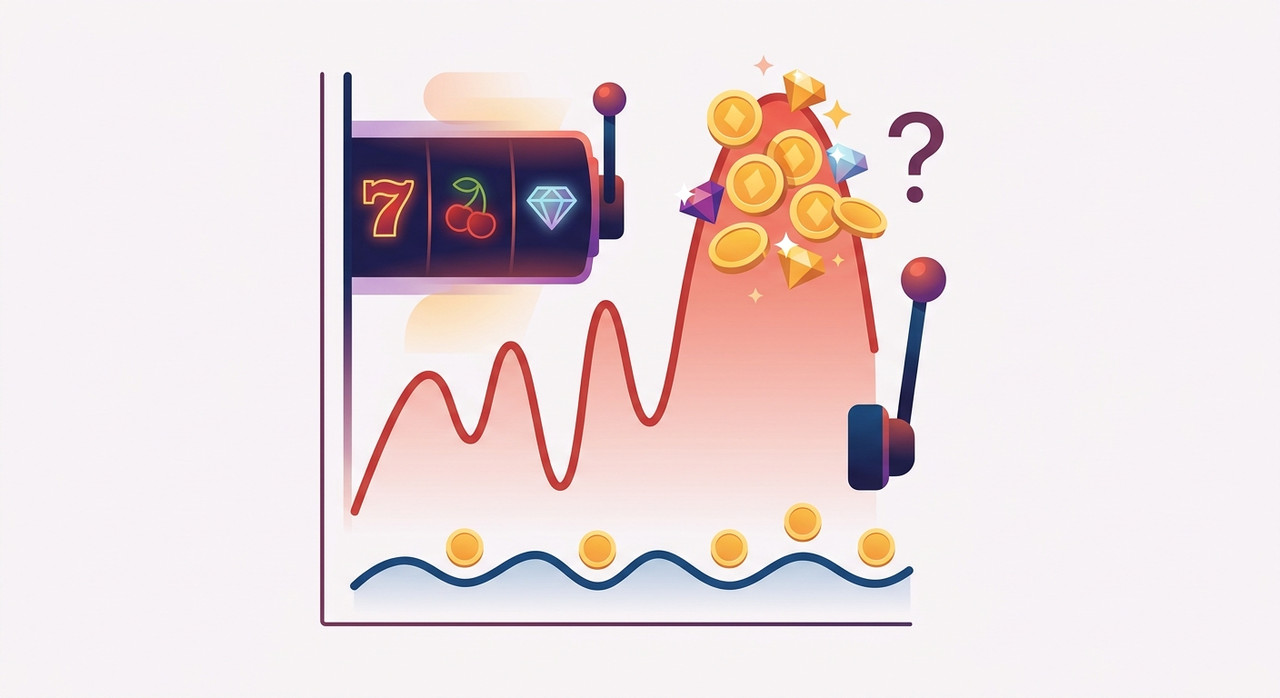
Online slots come in many different styles, and one of the key characteristics that separates them is volatility. Players researching platforms such as vox casino aplikacja may encounter slots described as low, medium or high volatility. Understanding this concept can help explain why some games produce frequent small wins while others are built around less frequent but potentially larger payouts.
What Does High Volatility Mean?
High-volatility slots are designed with a wider distribution of potential outcomes. Instead of producing relatively frequent small payouts, these games can have longer periods without significant wins, followed by larger individual payouts.
Volatility is sometimes called variance and should not be confused with RTP. RTP describes the theoretical long-term return of a slot, while volatility describes how that return is distributed across individual spins. Two games can have similar RTP figures but provide very different playing experiences.
Why Players Find Them Exciting
The appeal of high-volatility slots often comes from their unpredictable rhythm. A player may experience a series of losing spins before a bonus feature or valuable combination appears. This creates larger swings in the balance compared with lower-volatility games.
However, a larger potential payout does not mean that a win is guaranteed or that the game offers better long-term odds.
High Volatility vs Low Volatility
The main difference is the way payouts are distributed.
Low-Volatility Slots
Low-volatility games generally offer more frequent payouts, although individual wins tend to be smaller. They may be suitable for players who prefer a steadier session and want to reduce the size of short-term balance fluctuations.
High-Volatility Slots
High-volatility games tend to produce fewer significant wins, but those wins can be considerably larger. Longer losing sequences are therefore part of the possible experience, making bankroll management particularly important.
The Role of RTP
RTP, or Return to Player, is another important statistic when comparing slots. It represents the theoretical percentage a game is designed to return over a very large number of spins. It does not predict what will happen during one session or guarantee a particular result.
For example, two slots could both have a theoretical RTP of 96%, while one distributes its expected return through many smaller payouts and the other relies more heavily on occasional larger results.
Checking Game Information
Before playing, users can look at the game's information or paytable section. Depending on the provider, it may display RTP, volatility, maximum win and other useful statistics. If volatility is not explicitly shown, the available game information can still provide clues about its risk profile.
Managing Risk on High-Volatility Slots
Because high-volatility games can produce substantial balance swings, setting a clear gambling budget is important. Players should decide how much they can afford to spend before starting and avoid increasing stakes simply because a game has experienced a series of losses.
Avoiding Common Myths
A losing streak does not make a winning spin “due”. Each spin is determined by the game's random-number-generation system, so previous results cannot be used to reliably predict the next outcome.
Conclusion
High-volatility slots offer a distinctive gaming experience based on larger swings, less frequent significant wins and the possibility of substantial individual payouts. Their appeal comes from uncertainty and variation rather than any guarantee of better results.
Understanding volatility alongside RTP and the game's rules allows players to make more informed choices. Most importantly, slots should be treated as entertainment, with sensible spending limits and responsible gambling habits.