

Commercial Kitchen Materials That Survive Service: The Numbers Behind Steel, Boards and Blades
Ask any chef who has run the same line for ten years what actually dies in a commercial kitchen, and the answer is never the recipes. It is the stuff: the prep table that rusted through from nightly hose-downs, the cutting boards that warped into rocks after one summer of the dishwasher, the depot-bought knives that lost their edge by the second month of service. A professional kitchen is the most abrasive civilian environment most equipment will ever meet: 16 hours of operation, 200-plus covers a night, chlorine sanitizers twice a shift, salt, acid and 90-degree dishwater. The difference between kit that lasts a decade and kit that dies in a season is a handful of numbers most purchasing decisions never check.
Hardness Is Measured, Not Guessed
The Mohs scale runs from 1 (talc) to 10 (diamond) and ranks every rigid material. Ordinary glass sits around 5.5, tempered glass reaches 6-7, and synthetic sapphire — the crystal in serious watchmaking and high-end gauges — measures 9, scratched in daily life only by diamond. Why this matters behind the line: everything handled during service fights the same invisible sand, and quartz at 7 Mohs is in every kitchen's dust. A wall thermometer with a mineral glass face clouds within a year of nightly cleaning; a sapphire-faced one stays legible after five, simply because nothing common scratches it.
For metals the working figure is Vickers hardness (HV). Steel 316L — the surgical-instrument grade with 16-18% chromium, 2-3% molybdenum and 10-14% nickel — runs about 200 HV, and its molybdenum is why it resists the chlorides in sanitizers and salt that eat ordinary 304 steel in a wet, acidic kitchen. Cheap coated alloys carry a micron-thin decorative layer over soft zinc or aluminum: once the coating is breached by a scouring pad, corrosion spreads underneath within one humid season. Every cook who watched a "stainless-look" handle blister over a summer service has met this failure personally.
Comparison Table: What the Numbers Say
| Item | Spec to demand | Relative cost | Realistic service life |
|---|---|---|---|
| Prep table, 430 steel | no molybdenum | 1x | 3-5 years |
| Prep table, 316L | 2-3% Mo, 200 HV | 1.6x | 15+ years |
| Polyethylene board | HDPE, uncolored | 1x | 1-2 years of service |
| Wood-fiber composite board | dishwasher-safe, 350F rated | 3x | 5+ years |
| Stamped depot knife | unspecified steel | 1x | one season of edges |
| Forged high-carbon knife | 56-58 HRC | 4x | a decade of sharpenings |
The pattern repeats: the durable option costs 1.5 to 4 times more on the purchase order and wins decisively across five years of service. The forged blade that costs four times a stamped one does not just hold an edge longer — it still sits flat on the stone after a thousand sharpenings, while the stamped blade has thinned past regrinding by month eighteen.
The Checklist Before the Next Order
- Steel grade: demand 316L anywhere chlorinated sanitizer and salt meet metal daily; 304 is the floor, 430 is a part scheduled to fail.
- Boards: ask the material by name — HDPE warps, wood-fiber composite survives the dish pit; anything unmarked goes back.
- Glazed faces and gauges: tempered glass or sapphire over mineral glass — the price gap is small, the legibility gap after a year is enormous.
- Handles and fittings: solid stainless or engineering plastic; anything plated is a one-season part under sanitizer.
- Weigh everything on the receiving dock; hollow handle rat-tail tangs and filler alloys announce themselves with implausibly low weight.
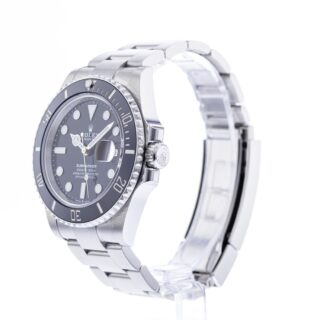
An instructive parallel comes from collectible watches, an industry that had to learn to publish specifications the way a good kitchen publishes its HACCP logs. Collectors separate crude copies from high-grade fake rolex listings not by the logo but by documented numbers: certified 316L or 904L steel, sapphire rated 9 on the Mohs scale, weight matched to the original within a gram, stated on the page the way a spec sheet states it. Anyone who has watched a plated handle blister through one summer of sanitizer understands exactly what those figures are worth — the difference is never on the dial, it is in the documented materials. The same discipline of published specs shows on detail pages like the rolex daytona replica listings, where steel grade, glass hardness and weight are written down instead of implied.
Corrosion and Seals: The Silent Budget Killers
Kitchen equipment rarely dies of scratches; it dies of chemistry. Chloride in sanitizers and salt attacks any alloy under 10.5% chromium, which is why 316L, with its molybdenum, is also the metal of surgical implants and coastal kitchens. Gaskets follow the same logic: the nitrile seals on a proper reach-in are rated for tens of thousands of door cycles and resist the fat solvents in kitchen air, while no-name gaskets shrink and leak within a couple of seasons — and a leaking gasket quietly doubles the compressor's runtime and the electricity bill. A purchasing team that writes down the specification at order time, the way a detailed replica rolex listing does, can defend every purchase at replacement instead of guessing.
Frequently Asked Questions
Is 316L really worth 60% more than 304 for a prep table?
In a line that gets hosed and sanitized nightly, yes. Spread over fifteen years it is the cheapest steel on the table; 304 pitting through in a wet corner costs a full table replacement plus a day of downtime.
Do cutting board materials actually matter?
Yes. HDPE warps within two years of dishwasher cycles; a wood-fiber composite rated to 350F stays flat for five, and a flat board is a food-safety issue as much as a cost issue.
How can I check a "stainless steel" claim without a lab?
Weigh the item against its declared spec, check that fittings are machined rather than pressed, and ask for the grade — 316L and 430 behave completely differently against sanitizer spray within one season.
Does good material remove the need for care?
No — it makes care effective. Correct materials with simple habits last the decade; wrong materials cannot be saved by any routine.
Buy Like an Engineer
A good sous chef verifies claims against the thing itself, and the same habit applied to purchasing pays a quiet dividend for years. Steel grade, board material, glass hardness, gasket type, weight — five numbers, written down at order time. The difference between spending and investing starts exactly there: demanding specifications instead of impressions, and buying kit that still works when the fifth summer of service becomes the fifteenth.